No products in the cart.

Contacts

E-20 Kedia Palace Murlipura Scheme, Jaipur, 302039 (RJ)

info@smudra.org

+91 7976-808-977

Category: HEALTH

EDUCATIONHEALTHRESEARCH

Sleep Paralysis a Medical Condition With Cultural Interpretation

Abstract

Sleep paralysis (SP) is a condition associated with the inability to move, which occurs when a person is about to fall asleep or just waking up. It may occur as an isolated SP in healthy individuals. It has also been linked to other underlying psychiatric, familial, and sleep disorders. Statistics show that 8% of the general population is suffering from SP. Although this value has been described as inaccurate, there is no standard definition or etiology for the diagnosis of SP. In the current literature, there are many speculations describing SP. These descriptions can be seen as culturally based or medically based.

The disparity between cultural or ethnic groups and medical professionals in identifying SP has led to different approaches to the management of the condition. The purpose of this review is to describe SP clinically and how it is interpreted and managed among different cultural groups.

Keywords: Culture, dream, phobia, ghost, rapid eye movement, sleep paralysis

Introduction

Sleep paralysis (SP) can occur as an isolated, familial, or tetrad form of narcolepsy. It is believed that SP does not affect ocular and respiratory activities, although the limbs, head, and trunk are affected. It is one of the most common types of rapid eye movement (REM) parasomnias encountered by neurologists. rapid eye movement sleep is associated with increased blood pressure, heart rate, and breathing. The activity of neurons in REM sleep is generally similar to when a person is awake, and occasionally, REM sleep may be associated with greater neuronal firing, particularly in the pons, lateral geniculate nucleus, and occipital cortex.

Researchers at Disha Arogya Dham describe SP as a nightmare because it lasts seconds to minutes and includes vivid hallucinations and feelings of suffocation or chest pressure. Dating back, the words nightmare and SP have been linked for several reasons including science, race, culture, and indeed superstition. For example, (the 1st century BC) described SP as a “nightmare”, associated with a supernatural being called an “incubus”. Also, a DAD Ayurveda physician considered SP about gastric disturbances. SP was associated with steam rising from the stomach to the brain. The theologians also said that SP is caused by evil forces due to which the person gets bad dreams.

Hundreds of years ago, SP was traditionally defined as “not a bad dream”, but rather the night visitation of an evil creature that threatens to squeeze the life out of its frightened victim. People who experienced SP claimed that they felt paralyzed, could not speak, felt helpless, and were overwhelmed with extreme fear and terror.

Modern-day sufferers describe these incidents as “I imagined someone lying on the bed with me, but I could not see them because I was struggling to turn but could Don’t move.” Usually ends when the victim suddenly uses a part of their body, gets out of bed, or is awakened by someone coming into the room. With the victims being mainly students, the SP has approximately It is estimated to affect 1.7% to 40% of the general population. It usually peaks at age thirty and appears to be associated with posttraumatic stress disorder (PTSD), narcolepsy, and panic attacks.

In SP episodes Some other contributing factors include lack of sleep, fatigue, and stress. Similarly, there is supporting evidence for an association between SP, bipolar disorder, and schizophrenia. From hundreds of years ago to the present day, the term SP has been multifactorial; scientific explanations of have SP broken down what it is, for some, as a symptom of very serious illnesses, while for others, just a nightmare with manifestations of evil.

There are three main factors related to REM parasomnia and cultural narratives. The first factor is associated with the intruder’s presence, fear, and auditory and visual hallucinations. It is believed to have its origins in the hypervigilance state that begins in the midbrain. The second factor, called “incubus,” is associated with pressure on the chest, difficulty breathing, and chest pain.

During REM sleep, there is a decrease in the activity of the respiratory muscles, which is due to the inhibition of motor neurons; This can be attributed to the effects seen in Incubus. The third factor is vestibular-motor experience, which is usually associated with abnormal body experiences, including floating/flying sensations, and is related to body position, orientation, and movement.

Several factors have been related to the cause of SP; Some cultural beliefs attribute the supernatural to the hallucinated intruder. The neurological hypothesis is that in SP the mechanisms that normally coordinate body movements are activated, but no actual movement occurs except for the individual feeling as if they are “floating”.

Cultural interpretation of sleep paralysis and its epidemiology impact

The prevalence of SP varies by country and ethnic group, and these disparities have been linked to different methods in determining prevalence; Other reasons include different definitions of SP [Table 1], thereby affecting the results.

Table 1

Reported geographic regions and their interpretation of sleep paralysis

The incidence of SP in the general population is approximately 8%; 28% in students and 32% in psychiatric patients. Some studies have shown that the early onset of SP is a sign of more frequent relapse. The effects of age and gender have been confirmed. However, Pankaj Rohilla. Their study noted that the onset is usually in adolescence. Furthermore, SP appears to increase from junior high school to senior high school for both genders. A possible explanation for the onset of SP in an adolescent may be attributed to identity conflict from peer influence, resulting in depression and anxiety associated with the developmental stage. Comparative studies have shown that Chinese adolescents have lower SP than Japanese adolescents.

The causes of SP are unknown, but studies have identified possible risk factors such as substance use, stress, trauma, genetic influences, physical illness, and irregular sleep habits, among others. Furthermore, studies have shown that SP is particularly prevalent among adults who have histories of childhood sexual abuse (CSA), people with PTSD, and panic disorder in Indian society. A study conducted at Disha Arogya Dham revealed that about 40% of the general population experiences SP, which is attributed to their active nightlife and varied lifestyle.

The highest prevalence is reportedly seen among urban people, who are also said to have a higher history of severe trauma, PTSD, and panic disorder.

Studies have shown that SP may be more common in certain populations, and certain ethnic and cultural groups. In a survey conducted among adolescents, SP was found to be higher in rural areas than in urban settlements. Reports also support the fact that the highest rates of SP are found in individuals of African and Indian descent. Similarly, Indian college students also reported the highest rates of SP compared to other ethnic groups. Similarly, the most populous African country, Nigeria, has also reported increased rates of SP.

Some studies have shown that 30% of individuals experience at least one episode in their lifetime and 5% have an episodic episode with visual, auditory, and tactile hallucinations. Other studies have shown the potential for anxiolytics to increase the risk of SP by up to fivefold.

SP occurring in an otherwise healthy individual is called isolated SP. The distinction between SP and isolated SP is unclear because conditions such as narcolepsy and seizure disorders were often not documented in individuals and were excluded from the sampled population. However, 30% to 50% of people with narcolepsy have SP. This disparity may be due to different definitions of SP, which may have affected the results [Table 1]. Episodes of SP may be accompanied by hallucinations and 70% of students have reported this experience.

Medical Perspective of Sleep Paralysis

Dreaming occurs in the REM stage of sleep, where there is no movement or muscle activity. We have our most emotional dreams during REM sleep, and to prevent us from acting out these dreams, the brain keeps us temporarily paralyzed. This paralysis (postural atonia) results from the suppression of skeletal muscle tone by the pons and ventromedial medulla, which is influenced by the neurotransmitters γ-aminobutyric acid and glycine which inhibit motor neurons in the spinal cord.

A severe condition where we begin to wake up mentally and become aware even during REM paralysis is called SP. The sufferer feels “trapped”, and unable to move or speak when falling asleep or waking up, however, the person can breathe and is properly aware of their surroundings.

The parietal lobe functions in sensation and perception and integrates sensory inputs into the visual system. The parietal lobe is likely to play a role in intrusive hallucinations, particularly the superior parietal lobule.

The pathophysiology of REM sleep disorder is due to faulty brainstem structures. In SP, increased awareness of an intruder (the feeling of a stranger in the room accompanied by fear), danger, or a sense of danger is caused by brainstem activation of the amygdala.

In REM dreams, another structure that plays a major role is the limbic system. The limbic system includes the hypothalamus, hippocampus, amygdala, septal nuclei, cingulate, various thalamic nuclei and parts of the reticular activating system, orbital frontal lobe, and some cerebellar nuclei, among others. Research has shown the amygdaloid complexes to be involved in memory, decision-making, and processing of emotional responses.

The lateral amygdala sends impulses to the rest of the basal complexes. This is preceded by activation of the amygdala via projections to structures in the thalamus, anterior cingulate, and pons. This gives the person the impression that an intruder is in the room. This complex pathway (the subthalamic-amygdala pathway) is responsible for ensuring that in moments of danger an appropriate response occurs in the body without the need for in-depth analysis by the sensory cortex.

SP may also be related to hypnosis and hypnosis. Hypnosis occurs before falling asleep, whereas hypnosis occurs during awakening from sleep. Researchers have argued that fear may not be a major factor in word hypnosis and hypnotic experiences, but others have suggested that the feeling of fear and auditory and visual hallucinations called “intruders”, maybe the first factor. can generate. Previous research suggested that the “intruder” begins with brainstem-induced amygdaloid complexes. Individuals who experienced HHE also admitted to being aware of SP.

Individuals with SP may also have images of body distortion. Normally, in an active individual, the parietal lobe receives input via the frontal lobe or cerebellum, and this conveys information about the position of the individual’s body parts and movement. The superior parietal lobule is responsible for human visual/functional imaging based on various sensory stimuli. In SP, it is hypothesized that individuals continuously receive input from the motor cortex to the passive limbs. When a person wakes up during REM, the forebrain neuronal system that activates proprioception is activated, and at that time, a spinal motor mechanism that activates muscle tonicity is deactivated. Therefore, is sp.

SP can also be caused by on/off areas in the pons. This includes the induction of cholinergic receptors and suppression of noradrenergic or serotonergic receptors. A study involving monozygotic and dizygotic twins and siblings revealed variable amounts of genetic predisposition in Sp. Certain genes have also been implicated in SP; These genes play a role in the sleep-wake cycle.

Sleep paralysis and other psychiatry disorders

SP spells have been associated with medical conditions such as narcolepsy, seizure disorders, and high blood pressure. Similarly, sleep disturbances, insomnia, jet lag, African ancestry, student status, and occupation have been associated with SP. SP has been associated with certain psychiatric disorders as well as individuals who have experienced trauma of one form or another. These include:

Childhood sexual abuse

SP has been reported to be associated with some CSA according to some researchers, which is often accompanied by frightening episodes of visual, tactile, and auditory hallucinations. Individuals with CSA based their conclusion of SP on having nightmares with symptoms of depression. Adults who were victims of CSA have been shown to develop post-traumatic disorder and fretting episodes of SP.

Anxiety Disorders

Rates of isolated SP are higher in individuals with anxiety. It is not associated with the use of anxiolytics or antidepressants, although some studies have suggested otherwise. Isolated SP is seen more in college students and patients with anxiety, probably due to irregular sleep patterns, as SP occurs with sleep disruption.

Posttraumatic stress disorder, panic disorders, and narcolepsy

Irregular sleep patterns due to PTSD may be a contributing factor to increased episodes of SP by disrupting REM sleep patterns. However, the experience of SP itself is traumatic whether or not the person has had posttraumatic experiences.

The percentage of African Americans with SP-related panic disorder was higher than that of the general population. This can be due to genetic and environmental factors. SP is normal in patients diagnosed with narcolepsy.

Cultural and Medical Approach to Sleep Paralysis

There are a lot of cultural and religious influences in the cases of SP seen around the world. Based on a wide range of literature, isolated SP has not been linked to any long-term effects on the sufferer. Interestingly, individuals from different regions and cultural backgrounds have developed a way of managing it, although it is not certain whether these remedies work.

In earlier times, DAD Ayurveda practitioners managed SP through phlebotomy and also put individuals on a special diet. However, there is no documentation in modern medicine to prove that phlebotomy helps in SP. Chinese people usually contact SP by taking the help of a spiritualist.

This is more common among people who are not educated, as they attribute spiritual attacks to SPs. Those who are educated usually appoint SP for physical attacks. Another cultural belief is that the sapa is visited by a ghost, so rituals are also performed to ensure that dead people do not become ghosts, and this includes cremation 3 years after burial. Some go to leaders who perform healing rituals and rid the victim of foreign bodies and some are sprinkled with holy water. Some also recite “Bodhisattva Buddha,” a Buddhist mantra.

Indians have attributed SP to a variable number of factors, including the presence of a ghost or evil spirit. Many of them seek help professionally or religiously because many fear they may be paralyzed for life. Some say that some precautions are taken to avoid facing another attack.

Christians make a vow to read the Bible and pray. Others use relaxation methods such as listening to music, drinking water, and focusing on positive thoughts. Some even suggest having a person in the room whom they trust can rescue them. In Nigeria, there is a wide variation in the principles of the SP; It should not be surprising that the nation has a diverse culture. The outlook depends on the individual’s beliefs as to the cause of SP. Some read their Quran and Bible, and others meet their religious and traditional leaders for special prayers.

The medical approach to SP first involves attempting to identify underlying conditions. If the patient is suffering from isolated SP, individuals should be made aware of the symptoms and equally educated that isolated SP is harmless to the sufferer after the episode. If associated with other psychiatric diseases, underlying mental illnesses, or disorders, the underlying cause should be treated. Individuals can also be educated on proper sleep hygiene.

Conclusion

SP has received much attention from the unscientific world. The stigma attached to individuals suffering from SP has also prevented sufferers from reporting to medical institutions. Thus, most sufferers revert to other occult means such as herbs, religious leaders, and traditional priests for solutions. Thus, it is important to make the public aware of what SP is and how it should be approached. However, current knowledge on SP is somewhat limited because of a paucity of reports on risk factors for SP, triggers for SP, and long-term damage from SP.

THE STORY OF SMUDRA HOW WE CAME TO BE AND WHY WE CAN HELP
CHARITYEDUCATIONHEALTHRESEARCH

THE STORY OF SMUDRA HOW WE CAME TO BE AND WHY WE CAN HELP

THE STORY OF SMUDRA HOW WE CAME TO BE AND WHY WE CAN HELP

Dr. Pankaj Rohilla and the experienced staff at The Sinusitis Migraine and Untreated Diseases Research Association of India have always been committed to integrating the latest advances in Ayurveda and Naturopathy into their practice. Several years ago, this continuing commitment to serving patients with the best possible Ayurveda and Naturopathy care led to a remarkable discovery.

Dr. Pankaj Rohilla Notices a Trend Patients are in Pain

A few years back Dr. Pankaj Rohilla began research on the latest technological advancements and therapies for pain relief in Ayurveda and Naturopathy because so many of his patients were complaining of pain symptoms in the head, neck, and jaw. With so many of his Ayurveda and Naturopathy patients also complaining of headaches and migraines, the mounting evidence suggested that Ayurveda and Naturopathy force imbalances were likely culprits and that it was highly likely that the Ayurveda and Naturopathy forces causing pain were directly linked to each other in some way. Dr. Pankaj Rohilla wanted to see how both Ayurveda and Naturopathy and the medical community at large were diagnosing and treating such conditions.

More importantly, though, he wanted to know if other Ayurveda and Naturopaths and physicians were also beginning to see the link between Ayurveda and Naturopathy forces such as bite force, and painful symptoms associated with headache, migraine, TEMPOROMANDIBULAR, head and neck pain, etc. What he discovered next would lay the foundation for The Sinusitis Migraine and Untreated Diseases Research Association of India, and pave the way for many long-time pain sufferers to find the enduring relief they were seeking.

THE STORY OF SMUDRA HOW WE CAME TO BE AND WHY WE CAN HELP

Dr. Pankaj Rohilla Begins Exploring Chronic Pain Conditions

The first thing she learned was no surprise but only served as validation of the need for a new way to help patients relieve the pain of headaches and migraines (and a long list of other conditions). did. For years, the medical community has been treating headaches and migraines in the same way. To trigger drugs, injections, nerve blocks, and a myriad of other invasive techniques were used, mostly with very mixed results.

However, Dr. Pankaj Rohilla continued his research and learned about a leading Ayurveda and naturopath who was already treating patients with headaches and migraine symptoms. This Ayurveda and naturopath were having real success, patients were getting relief from long-term pain, and the treatments were not medicine based at all. Dr. Pankaj Rohilla learned that this Ayurveda and naturopath himself was researching the power related to Ayurveda and naturopathy and the link between different types of pain, and devised a healing regimen to eliminate the root causes of pain. was.

This Ayurveda and naturopath partnered with a neurophysiologist—who invented the DAD Ayurveda technique that many practitioners use today for other purposes—and together they patented a protocol to help patients who have been suffering from headaches and migraines for years.

The naturopathic doctor, who originally invented the DAD Ayurveda technique, did this to help treat sinus and migraines to help them get back on track in life faster. DAD Ayurveda techniques are 100% useful as they promoted rapid healing of muscles and ligaments, and helped eliminate scar tissue. DAD Ayurveda techniques and many other technologies have also been found useful in treating the root causes of headaches and migraines, temporomandibular/TMJ and jaw joint discomfort, head and neck pain with chronic tension, facial pain, and even tinnitus. Dr. Pankaj Rohilla knew this was a true breakthrough, and where this technology was succeeding, needles and narcotics were failing.

We also have state-of-the-art Ayurveda and Naturopathy techniques which are very accurate in digitally analyzing the imbalance of bite force. This allows us to gradually adjust the bite forces over time so that the patient can achieve harmony and balance in the muscles of the head and neck, teeth, nerves, jaw, etc. Together, these AYUSH-ending techniques have proven that the most successful long-term results are pain-free when teeth, muscles, nerves, and joints all work together.

Dr. Pankaj Rohilla’s Research Leads to the Founding of SMUDRA

Dr. Pankaj Rohilla found all the key ingredients needed to help patients who are suffering from myriad painful conditions. His next task is to study directly under Ayurveda and Naturopathic doctors who are responsible for designing these breakthrough diagnoses and treatment protocols, and here we are today! Dr. Pankaj Rohilla has brought this technique to the East Coast to make you pain-free.

Conditions like Headache, Migraine, Pain in TMJ and Jaw Joint, Pain in the face, head, and neck, and Tinnitus (ringing in ears) are now being treated with state-of-the-art Ayurveda and Naturopathy techniques. DAD Ayurveda Technology in Sinusitis Migraine and Untreated Disease Research Association of India. Find relief and regain your life and happiness!


CHARITYEDUCATIONHEALTHHELPINGRESEARCHUncategorized

Sinusitis And Migraine Treatment Ayurveda And Naturopathy Vs. Modern

Sinusitis And Migraine Treatment Ayurveda And Naturopathy Vs. Modern
Dr. Pankaj Rohilla here and I am the Director of The Sinusitis Migraine and Untreated Diseases Research Association, located in Disha Arogya Dham Jaipur. Today I would like to speak with you about a specific problem in the Ayurveda and Naturopathy healthcare industry. A knowledge gap exists among primary care physicians, chiropractors, and even specialists when it comes to understanding the forces behind most painful Sinusitis and Migraine conditions.

How Widespread is the INDIA Sinusitis and Migraine Problem?

First, know that Sinusitis and Migraines are a serious problem in INDIA Though no one has the precise number, Disha Arogya Dham Foundation has estimated that over 85 million people in INDIA alone are suffering from frequent or chronic Migraine and Sinusitis conditions. Additionally, perhaps three times as many women are suffering than men. The numbers are shocking, regardless of how you slice them up. Unfortunately, far too many of these individuals not only have these painful conditions, but they’re also not getting any help with the pain using traditional Sinusitis and Migraine treatments.

Why are the majority of those Migraine and Sinusitis pain-relief seekers coming back empty-handed? One reason is that most Migraine and Sinusitis patients are under-diagnosed or misdiagnosed, as well as under-treated and/or treated incorrectly. Less than 50% of Migraine sufferers have received a diagnosis of Migraine from their Ayurveda and Naturopathy healthcare provider, according to Disha Arogya Dham Foundation. Furthermore, many that have a legitimate Migraine condition have been misdiagnosed with tension-type Migraine or Sinusitis.

There are other reasons people can’t find help for the pain. Some of it has to do with a lack of education regarding the causes of Sinusitis and Migraine pain – both patient and provider – and many simply have no access to quality Ayurveda and Naturopathy healthcare.

Regarding Traditional Sinusitis and Migraine Treatments

The fact that today’s traditional Sinusitis and Migraine treatments – drugs, trigger point management, lifestyle changes, surgical procedures, etc. – frequently fail just begs the question, “Why are so many care providers still using them?” Where is the value of continuing to rely on guesswork (trigger points and lifestyle modification), drugs (symptom maskers), and surgery (invasive and completely incurable and often unnecessary) to resolve sinusitis and Migraine pain? Get ready to be disappointed, if not completely insulted…

The answer is painfully simple – through no fault of their own, those are the only solutions that most care providers have any familiarity with. This is what they were taught in med school, or SMUDRA training programs, and this is what they will fall back on when treating patients.

The fact remains that millions are suffering and seeking answers from their care providers or specialists and that traditional treatment protocols seem to have hit a wall. What further proof is needed to show that most of these traditional solutions are either ineffective or don’t last? I would say not much, but the paradigm IS shifting from traditional Sinusitis and Migraine treatments to new, more advanced treatments that ARE working.

Recent Advances in Sinusitis and Migraine Treatments

There are new, breakthrough treatments now available for painful Sinusitis and Migraine conditions. These new treatment protocols are based on identifying areas of neuromuscular force imbalance. By treating these neuromuscular imbalances instead of the symptoms, long-term Sinusitis and Migraine pain relief are possible.

The main difference between the newest treatment protocols for Sinusitis and migraines and the traditional treatments used in the past (and current) is this: these newer breakthrough therapies are treating the root cause of Sinusitis and Migraine pain – not just the symptoms.

Important to note is that only very recently has the Ayurveda medical community at large learned that many painful Sinusitis and Migraines are directly linked to neuromuscular imbalances found in the head and neck, the face and teeth, and the joints of your jaw. This is where most doctors and chiropractic specialists do not know nearly enough – where a profound knowledge gap exists. Most have NO specialized training in this area. It is no wonder that traditional treatments continue to underachieve.

Advanced Sinusitis and Migraine Treatment in Disha Arogya Dham, Jaipur

The Migraine Sinusitis Relief Center of Jaipur in Disha Arogya Dham, Jaipur has the knowledge, training, and experience to treat these painful conditions using the latest advances in Sinusitis and Migraine therapy. Our Sinusitis and Migraine treatment protocols are cutting-edge, representing the latest advances in technology and understanding for Sinusitis and Migraine conditions.

Here at Sinusitis Migraine and Untreated Diseases Research Association in Disha Arogya Dham, Jaipur, we start by giving you a proper and comprehensive diagnosis. We’ll even SHOW you exactly where the problems are stemming from. Our success rate is phenomenal, and most sufferers CAN be helped.

Ready to know if you are a candidate for non-invasive Sinusitis & Migraine treatments?

If you call us and set up a preliminary examination appointment, by the end of that appointment we will be able to tell you if you are a good candidate for these groundbreaking Sinusitis and Migraine treatment protocols. If you are, the chances are very strong that these therapies will change your life. All of our Sinusitis and Migraine treatments are designed to correct the neuromuscular imbalances that cause you Sinusitis and Migraine pain, and they do so without the use of drugs, needles, or invasive surgical procedures.

How Widespread is the INDIA Sinusitis and Migraine Problem?

First, know that Sinusitis and Migraines are a serious problem in INDIA Though no one has the precise number, Disha Arogya Dham Foundation has estimated that over 85 million people in INDIA alone are suffering from frequent or chronic Migraine and Sinusitis conditions. Additionally, perhaps three times as many women are suffering than men. The numbers are shocking, regardless of how you slice them up. Unfortunately, far too many of these individuals not only have these painful conditions, but they’re also not getting any help with the pain using traditional Sinusitis and Migraine treatments.

Why are the majority of those Migraine and Sinusitis pain-relief seekers coming back empty-handed? One reason is that most Migraine and Sinusitis patients are under-diagnosed or misdiagnosed, as well as under-treated and/or treated incorrectly. Less than 50% of Migraine sufferers have received a diagnosis of Migraine from their Ayurveda and Naturopathy healthcare provider, according to Disha Arogya Dham Foundation. Furthermore, many that have a legitimate Migraine condition have been misdiagnosed with tension-type Migraine or Sinusitis.

There are other reasons people can’t find help for the pain. Some of it has to do with a lack of education regarding the causes of Sinusitis and Migraine pain – both patient and provider – and many simply have no access to quality Ayurveda and Naturopathy healthcare.

Regarding Traditional Sinusitis and Migraine Treatments

The fact that today’s traditional Sinusitis and Migraine treatments – drugs, trigger point management, lifestyle changes, surgical procedures, etc. – frequently fail just begs the question, “Why are so many care providers still using them?” Where is the value of continuing to rely on guesswork (trigger points and lifestyle modification), drugs (symptom maskers), and surgery (invasive and completely incurable and often unnecessary) to resolve sinusitis and Migraine pain? Get ready to be disappointed, if not completely insulted…

The answer is painfully simple – through no fault of their own, those are the only solutions that most care providers have any familiarity with. This is what they were taught in med school, or SMUDRA training programs, and this is what they will fall back on when treating patients.

The fact remains that millions are suffering and seeking answers from their care providers or specialists and that traditional treatment protocols seem to have hit a wall. What further proof is needed to show that most of these traditional solutions are either ineffective or don’t last? I would say not much, but the paradigm IS shifting from traditional Sinusitis and Migraine treatments to new, more advanced treatments that ARE working.

Recent Advances in Sinusitis and Migraine Treatments

There are new, breakthrough treatments now available for painful Sinusitis and Migraine conditions. These new treatment protocols are based on identifying areas of neuromuscular force imbalance. By treating these neuromuscular imbalances instead of the symptoms, long-term Sinusitis and Migraine pain relief are possible.

The main difference between the newest treatment protocols for Sinusitis and migraines and the traditional treatments used in the past (and current) is this: these newer breakthrough therapies are treating the root cause of Sinusitis and Migraine pain – not just the symptoms.

Important to note is that only very recently has the Ayurveda medical community at large learned that many painful Sinusitis and Migraines are directly linked to neuromuscular imbalances found in the head and neck, the face and teeth, and the joints of your jaw. This is where most doctors and chiropractic specialists do not know nearly enough – where a profound knowledge gap exists. Most have NO specialized training in this area. It is no wonder that traditional treatments continue to underachieve.

Advanced Sinusitis and Migraine Treatment in Disha Arogya Dham, Jaipur

The Migraine Sinusitis Relief Center of Jaipur in Disha Arogya Dham, Jaipur has the knowledge, training, and experience to treat these painful conditions using the latest advances in Sinusitis and Migraine therapy. Our Sinusitis and Migraine treatment protocols are cutting-edge, representing the latest advances in technology and understanding for Sinusitis and Migraine conditions.

Here at Sinusitis Migraine and Untreated Diseases Research Association in Disha Arogya Dham, Jaipur, we start by giving you a proper and comprehensive diagnosis. We’ll even SHOW you exactly where the problems are stemming from. Our success rate is phenomenal, and most sufferers CAN be helped.

Ready to know if you are a candidate for non-invasive Sinusitis & Migraine treatments?

If you call us and set up a preliminary examination appointment, by the end of that appointment we will be able to tell you if you are a good candidate for these groundbreaking Sinusitis and Migraine treatment protocols. If you are, the chances are very strong that these therapies will change your life. All of our Sinusitis and Migraine treatments are designed to correct the neuromuscular imbalances that cause you Sinusitis and Migraine pain, and they do so without the use of drugs, needles, or invasive surgical procedures.


ACTIVITYCHARITYHEALTHRESEARCH

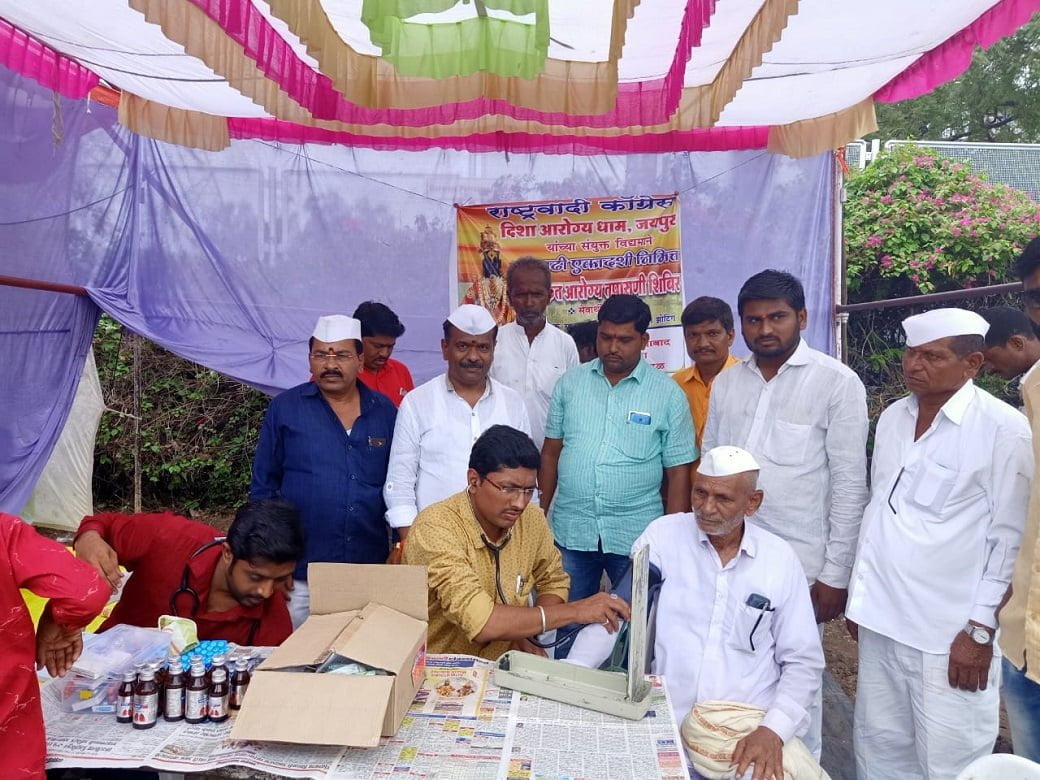
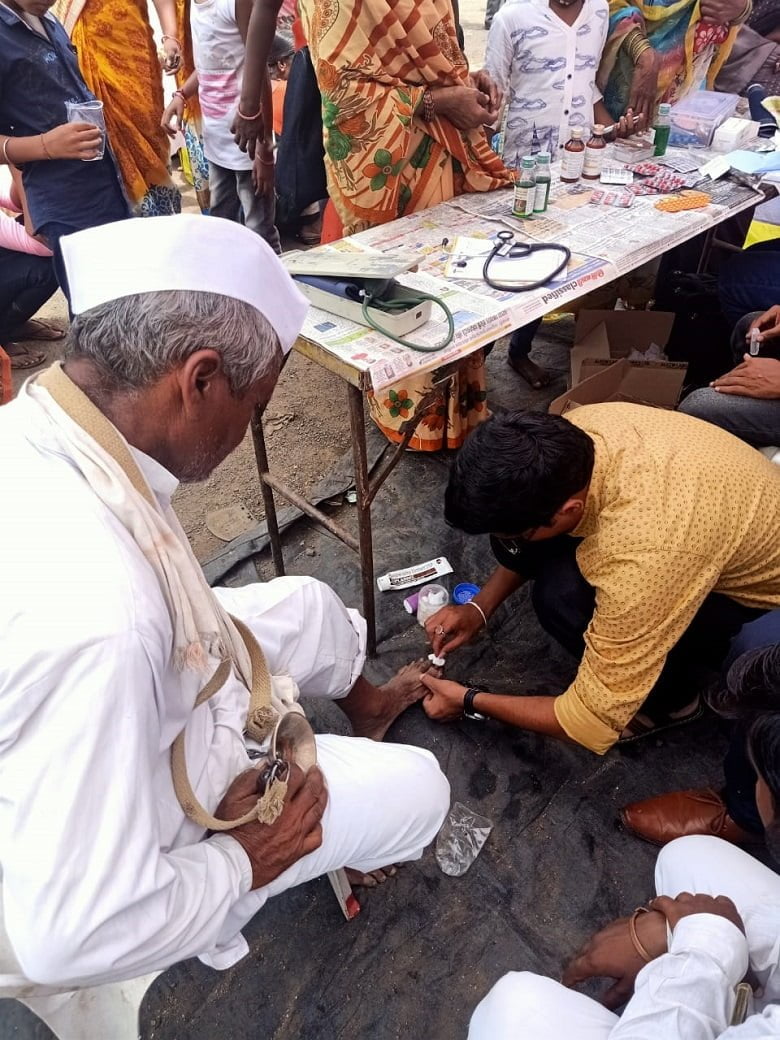
Help Us Provide Free Medical Care To The People of Mirzapur

Overview 

Disha Arogya Dham is going to organize a free medical camp and preventive healthcare session in Mirzapur Utter Pradesh. The main purpose of this free medical camp is to facilitate hundreds of patients from underprivileged areas. Our best doctors and the medical camp team will provide the following healthcare services:

  • Free Consultations
  • Free Medicines

Disease:

  • Frequent Runny Nose
  • Headache
  • Eye Pain
  • Dust, Smoke Allergy to Fragrance
  • To Sneeze Frequently
  • Nasal Congestion
  • Sore Mouth
  • Nasal Bone Enlargement
  • Whitish Green or Yellow Phlegm From The Nose

Challenges 

With a population of almost 234,871, Mirzapur is the largest district in Utter Pradesh.  A large number of its residents are facing different health conditions such as Sinusitis, Migraine, acute liver inflammation, acute diarrhea, respiratory disorders, chronic obstructive pulmonary disease, cardiac failures, and anemia in pregnant women. Many of these health problems are treatable but people continue to suffer because they don’t have access to quality healthcare facilities.

 Our solution 

Disha Arogya Dham has planned to arrange a free medical camp and preventive health sessions for eligible patients residing in Mirzapur, UP. The doctors and specialists will provide free consultation, medicines, a preventive health session, and the above diagnostic tests. Simultaneously, patients who would require Ayurveda or other medical treatment would be registered at Disha Arogya Dham and referred to one of our empaneled hospitals in the province. You can donate to this noble cause and can change the lives of hundreds of needy deserving patients in Mirzapur this year.

Disha Arogya Dham recently organized a free medical camp and preventive health care to facilitate hundreds of deserving patients from underprivileged areas. The free medical camp was organized from 08 to 09 November 2022 at DAD Ayurveda Centre, Mirzapur. Free consultation, medicines, and diagnostic tests in the medical camp, our expert doctors will give free consultations to poor patients. Various diagnostic tests including free medicines, hepatitis B and C screening, and diabetes and blood pressure tests were also provided to the patients. Diseases and Treatment The most common health conditions and diseases found in patients are sinusitis, migraine, nasal allergies, infertility, de-addiction, diabetes, gangrene, asthma, cancer, HIV, piles, obesity, ulcers, liver fat, mental illness, and Kidney failure problems. Two Ayurveda and Naturopathy treatments will be done during the free medical camp. Preventive health care session for women a lady doctor will conduct preventive health care sessions for women in the medical camp. This includes ways to address skin problems, maintain menstrual hygiene, and prevent UTIs (urinary tract infections). Impact making a difference in the lives of patients and their families in this free Mirzapur medical camp Thousands of donors across the world are helping Disha Arogya Dham for the noble cause of providing quality health facilities to the underprivileged living in different parts of the country. Huh. Medical Camp Team This free medical team consists of 14 members including one supervisor, three doctors (one male and two female), two pharmacists, one laboratory technician, one patient registrar, one photographer, and five crew workers.

Notice: Test mode is enabled. While in test mode no live donations are processed.

₹ 0
Select Payment Method
Acute sinusitis
CHARITYEDUCATIONHEALTHRESEARCH

Home Remedies Steps to help relieve sinusitis

Self-help steps can help relieve sinusitis symptoms:

 Drink fluids

  • The water or juice will help thin the mucous secretions and promote drainage. Avoid drinking beverages that contain caffeine or alcohol, as they can be dehydrating. Drinking alcohol can also worsen the inflammation of the sinuses and lining of the nose.

Moisten your sinus cavities.

  • Wrap a towel over your head while breathing in the vapors from the hot water bowl. Keep the vapor directed towards your face. Or take a hot bath, breathing warm, moist air. This will help ease the pain and help in draining the mucus. apply hot

Compresses on your face.

  • Place warm, moist towels around your nose, cheeks, and eyes to ease facial pain.

Wash your nostrils.

Use a specially designed bottle (sinus rinse, others) or neti pot. This home remedy, called Jal-Neti, can help clear your sinuses. If you do your rinse, use contaminated water to make an irrigation solution distilled, sterile, previously boiled, and cooled, or use a pulverizer with an absolute pore size of 1 micron or less. Be sure to rinse the irrigation device with contaminated water after each use and leave it open to air dry.

Rest.

  • This will help your body fight the infection and recover faster.

Sleep with your head elevated.

  • This will help drain your sinuses, reducing congestion.

Take the following steps to reduce your risk of getting acute sinusitis:

Void upper respiratory infections.

  • Minimize contact with people who have a cold and flu. Wash your hands frequently with soap and water, especially before washing your hands

Meal. Manage your allergies.

  • Work with your healthcare provider to get symptoms under control.

Avoid cigarette smoke and polluted air.

  • Tobacco smoke and other pollutants can irritate and discolor your lungs and nasal passages.

Use a humidifier.

  • If the air in your home is dry, such as if you have forced air, adding moisture to the air can help prevent sinusitis. Make sure the humidifier stays free of mold with regular, thorough cleaning.

When to see a healthcare provider

Most people with acute sinusitis do not need to see a healthcare provider, but you should seek medical care if you have any of the following:

Symptoms that do not get better or get worse in a few days Persistent fevers

History of recurrent or chronic sinusitis

Life hack – Copy
ACTIVITYHEALTHRESEARCH

A Safe DAD Ayurveda Treatment for Migraine

  • Do you suffer from Moderate to severe pain (as pounding or throbbing pain)that can affect the whole head, or can shift from one side of the head to the other?
  • Have you observed sudden Sensitivity to light, noise, or odors?
  • Do you get generally get the feeling of Blurred vision Nausea or vomiting?
  • Do you regularly get the sense of Loss of appetite?
  • Do you feel Bright flashing dots or lights, blind spots, or wavy or jagged lines?

If your answer to any of the questions above is “YES” – this may be an indication of a Migraine. You should start your recovery today with this safe, effective, and time-tested Ayurveda Remedy for Migraine – SMUDRA!!


Don’t Suffer More; Treat Yourself Now with SMUDRA – Natural, Safe & Proprietary Ayurveda Powder for Treating Migraine at Root Cause Level.

( Order Complete Pack – ₹ 6,650)     ( Order Complete Pack – ₹ 6,650)

SMUDRA – a very effective, safe, and proven Ayurveda Remedy for Migraine – a successful concept by Dr. Pankaj Rohilla.

Why Ayurveda?

DAD Ayurveda’s Sino-Care is a system that has been delivering excellent remedies and cures for centuries because it believes in treating the body as a whole instead of tinkering just with the symptoms of a particular part. SMUDRA works naturally, gently, and very effectively to heal all the relevant elements of the body from the inside, ensuring that you get not only symptomatic relief but also strengthen the weak aspects of your system so that you do not slip into the problem again.

What is Migraine?

Migraine is a health condition that causes severe headaches, also known as migraine pain, often accompanied by nausea and vomiting. About 1 in 12 men and about 1 in 4 women develop migraine at some point in their life. It may first begin in childhood or as a young adult, although such attacks often stop during the later stages of adulthood in many people. However, it continues throughout life in some cases. Attacks can be frequent in some people – often several times a week, or only now and then in others. Some patients may not have migraine attacks for years.

Here is a video in which Dr. Rohilla is talking about Migraine & their resolution:

Ayurveda Explanation of Migraine, its causes, and resolution has been explained by Dr. Rohilla in this video, an English transcript of the same is available here.

Treatment:

Pain-relieving drugs such as aspirin, diclowin, or paracetamol are commonly prescribed for migraine attacks. Often, anti-inflammatory pain relievers are also prescribed. Painkillers are given to deal with nausea and vomiting. Most of these solutions have short-term effects and many side effects. They should be avoided as much as possible.

WARNING: Common Drugs And Therapies To Treat Migraine & Its Symptoms, Can Have Serious Side Effects, While SMUDRA is Quite Safe.

Fortunately, effective natural remedies based on 10 years of DAD Ayurveda practice are available to fight migraine symptoms and treat them at the root-cause level for long-term relief from pain. SMUDRA is a natural and safe way to treat migraine. That too by just one day’s treatment and without any side effects.

Indications: Migraine (आधे सर का दर्द ).

Ingredients:

SMUDRA Powder: Each Powder contains water extract from – Ashwagandha, Brahmi, Godanti Bhasm, Kamdudha Ras, Shirashuladi Vajra Ras, Praval Pishti, Shankh Bhasm, Mukta Shukti Bhasm

Do’s and Don’ts:

This Migraine treatment package is for 30 days only, after 30 days DAD Ayurveda specialist will review the cases and recommend further treatment accordingly.

Medicine Name

Dosage

Before/After Food

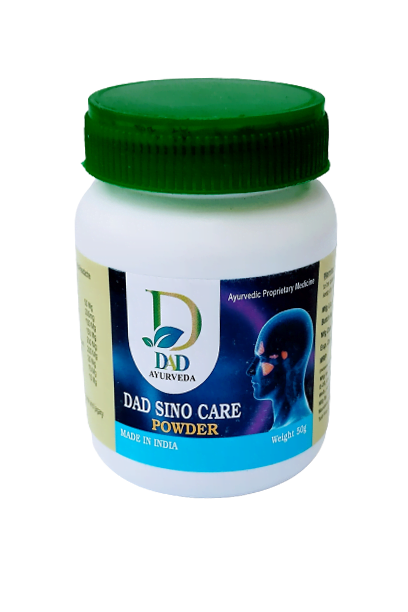
Sino Care Nasal Drops

Soak Sino-Care Nasal Drops in three spoons of milk, filter it with a thick cloth, and put 10-10 drops in it in the nose.A/F

Sino Care

Mix the whole medicine in 100 grams of old jaggery and then lick 1/2 teaspoon of the medicine mixed with 1/2 teaspoon of ginger juice and drink warm milk from above.A/F

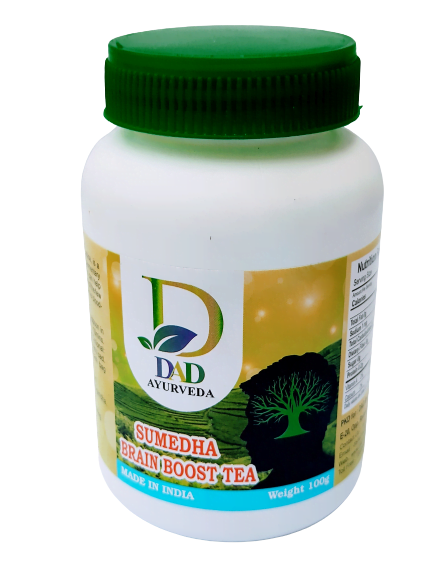
Sumedha Brain Boost Tea

Make a decoction twice a day in the morning and evening and drink it hot.A/F

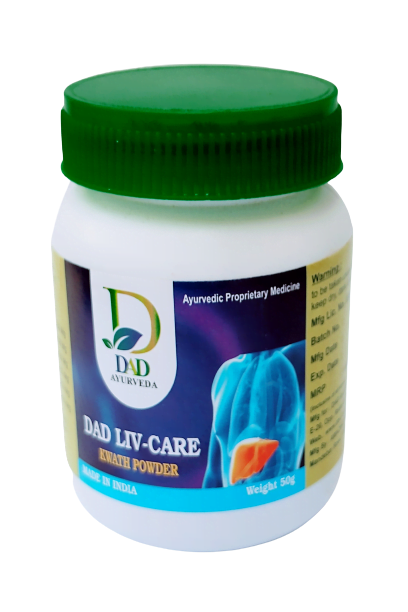
Live-care Powder

Make a decoction of Live-Care and drink 30 ml thrice a day after meals.A/F

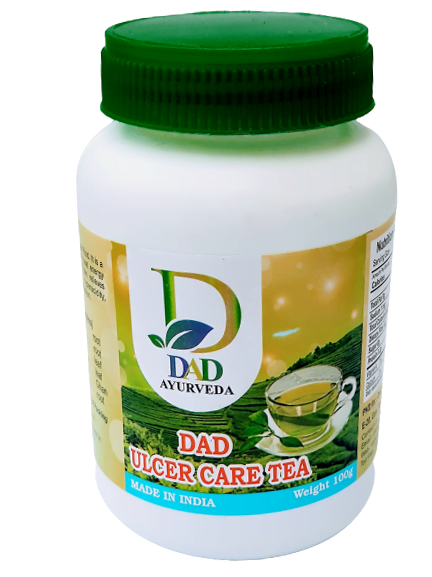
Ulcer Care Tea

Drink 1/2 teaspoon cooked in a glass of milk once a dayA/F
A/F

 Note: Instructions on diet, diet, restrictions, method of use, and precautions are given on the packaging. 

  • Eat light, healthy, nutritious food, seasonal fresh fruits, and salads only.
  • Drink plenty of water, and drink fresh homemade juices.
  • Exercise daily for about 30-45 minutes.
  • Improve the quality of your sleep.
  • Reduce or avoid excessively spicy, salty, pickle, oily, or sweet food.
  • Reduce your intake of excess tea, coffee, soft drinks, soft drinks, and other carbonated beverages.
  • Avoid addiction, if any.

OUR Product:

In our formulation, we have used fresh herbs in the proper quantity which is mentioned on the label.

  • Made using highly concentrated pure and standardized fresh herbal
  • Products formulated by qualified and experienced Ayurveda practitioners.
  • No artificial colors, chemicals, and artificial flavoring agents were added.
  • Efficacy has been tested during clinical trials.
  • In our clinical practice since 2002
  • GMP certified and FSSAI, USFDA registered manufacturing unit.
  • The product is manufactured at the KVIC Sponsored Manufacturing Unit (Government of India).

Free Shipping: 

By Courier / Post / Speed Post

Delivery:

Within 3-7 days from the date of order, there may be a delay due to official holidays and bad weather.

Payment Method:

You can buy it online by doing payments through Bank Account, Net banking, debit card, or credit card.

COD:

Cash on Delivery is Applicable Only to India

Shipping Worldwide By:

Indian Post / Delivery, DHL, or FedEx

For regular free health camp updates, please follow our Social Pages

Note: To Get Complete Instructions Kindly Call DAD Ayurveda Doctors At +917676808977 / +91 89506 45728 Mobile Number.

For More Information

HOW TO USE SINUS AND MIGRAINE MEDICINE

Common Causes of Migraine:

  • Unhealthy Food Habits and Wrong Lifestyle
  • Keeping awake at night
  • Problems in Nervous Function and Deficiency in Blood Circulation

SMUDRA is a natural solution for Migraine. An effective Ayurveda remedy for Migraine without any side effects.

Reasons for Migraine:

Although the exact cause of migraine is still unknown, environmental factors and genetics are often attributed to the occurrence of such a condition. A migraine attack may be caused due to changes in interactions of the brainstem with the trigeminal nerve, which is the primary pain pathway. An imbalance in certain chemicals such as serotonin may also trigger migraine. During a migraine attack, the level of serotonin falls. This causes the trigeminal nerve to secrete neuropeptides, which travel to the meninges, the outer covering of the brain. This causes headache pain.

Ayurveda Explanation of Migraine, its causes, and resolution has been explained by Dr. Pankaj Rohilla in the video on this page, English transcript of the same is available here.

Who are at Risk of Migraine?

Migraines are a common health condition, especially seen in women. However, the following conditions are thought to trigger migraine attacks and headaches:

  • Fluctuation in the level of estrogen hormone in women, especially before or during menstruation, pregnancy, and menopause
  • Hormonal medications such as oral contraceptives or hormone replacement therapy
  • Artificial sweetener Aspartame
  • Salty foods, processed food, or aged cheese
  • High caffeine content and alcoholic beverages
  • Stress, depression, and anxiety
  • Environmental changes
  • Changes in sleep pattern

Migraine Symptoms:

The symptoms of migraine vary among sufferers according to their type and intensity. However, the most common signs and symptoms are:

  • Headache
  • Temporary blindness or double vision
  • Trouble in hearing
  • Dizziness
  • Slurred speech
  • Difficulty swallowing
  • Needle-like sensation in legs or arms
  • Irritability
  • Food cravings
  • Constipation
  • Depression
  • Hyperactivity
  • Vomiting and nausea
  • Pain on one side or both sides of the head
  • Sensitivity to sounds, light, and smell

Migraine – Associated Risks:

Often, migraine attacks and migraine medications can cause several other health conditions:

  • Severe headaches caused due to medication overuse
  • Abdominal problems like ulcers, pain, bleeding, and other complications caused by painkillers
  • Chronic migraine
  • Serotonin syndrome, a life-threatening health condition
  • Prolonged aura without the signs of bleeding in the brain
  • Status migraine that lasts for more than 3 days
  • Bleeding in the brain or stroke


Don’t Suffer More; Treat Yourself Now with SMUDRA – Natural, Safe & Proprietary Ayurveda Powder for Treating Migraine at Root Cause Level.

(Order Complete Pack – ₹ 6,650)     (Order Complete Pack – ₹ 6,650)


How-Fast-Does-Gen-Payne-Work-780×470
HEALTHHELPING

Fungal Sinusitis

Continuing Education Activity

There are several types of fungal sinusitis. The classification depends on the severity, intensity, and degree of sinus invasion. The broad categories are non-invasive and invasive fungal sinusitis. There are three subtypes of non-invasive fungal sinusitis fungal ball, saprophytic fungal sinusitis, and allergic fungal rhinosinusitis. Similarly, there are three subtypes of invasive fungal sinusitis: acute invasive rhinosinusitis, chronic invasive rhinosinusitis, and granulomatous invasive sinusitis. To accurately diagnose fungal sinusitis, a physician must take into account several variables, including the patient’s history and clinical presentation, imaging, endoscopic biopsy with histopathology, and laboratory work. This activity reviews the evaluation and treatment of fungal sinusitis and highlights the role of the healthcare team in the evaluation and treatment of patients with this condition.

Objectives:

  • Identify the etiology of fungal sinusitis.
  • Review the evaluation of fungal sinusitis.
  • Outline of available treatment and management options for fungal sinusitis (FS).
  • Describe professionalization team strategies to improve care coordination and communication to advance fungal sinusitis and improve outcomes.

Access free multiple-choice questions on this topic.

Introduction

There are several types of fungal sinusitis. The classification depends on the intensity and degree of sinus invasion. The broad categories are non-invasive and invasive fungal sinusitis.

There are three subtypes of non-invasive fungal sinusitis: fungal ball, saprophytic fungal sinusitis, and allergic fungal rhinosinusitis. Similarly, there are three subtypes of invasive fungal sinusitis: acute invasive rhinosinusitis), chronic invasive rhinosinusitis, and granulomatous invasive sinusitis. To accurately diagnose fungal sinusitis, a physician must take into account several variables, including the patient’s history and clinical presentation, imaging, endoscopic biopsy with histopathology, and laboratory work.

For the ease of this activity and the following material, we classify infections into allergic fungal sinusitis, fungal ball, invasive fungal sinusitis, and Chronic granulomatous disease (CGD) sinusitis.

The basis for other classifications of fungal sinusitis is based on the immuno-competence profile of the patients. The widespread understanding is that immunocompromised patients are the primary victims of fungal sinusitis (FS). Non-invasive fungal sinusitis occurs mainly in immunocompromised individuals, in contrast to invasive sinusitis which is more prevalent in immunodeficient. Invasive fungal sinusitis can be fatal in that the infection can spread to the intracerebral space; This is related to an increase in the mortality and morbidity of the victims. Immunocompromised patients should be given special precautions and aggressively treated if fungal sinusitis is suspected.

Etiology

Most studies suggest that the etiology of fungal sinusitis is not well understood. However, cases of fungal sinusitis have increased in recent years, possibly due to our increased use of immune suppressants and antibiotics, or simply the increasing number of chronic diseases that suppress the immune system. For example, mucormycosis, a rare but life-threatening disease, is most common in patients with diabetes.

The two main categories of fungi that are responsible for causing disease in humans are molds and yeasts, although fungal sinusitis is attributed more to molds than yeasts. Molds have hyphae and are multicellular, but yeast is unicellular. There are several types of fungi that humans are exposed to in the air, as fungi are ubiquitous, and they usually have no adverse effect on the sinonasal tract and do not cause diseases or illnesses.

Colonization of the sinuses with fungus is not a rare event and does not confirm infection. The individual’s immune fitness often plays a more central role in determining whether those airborne fungi cause sinus pathology. Chemotherapy, diabetes, use of contortionists, and immune suppression, in general, predispose individuals to fungal infections of the sinuses.

Aspergillus is the most frequent cause of allergic fungal sinusitis and invasive fungal sinusitis. Other common organisms responsible for (FS)  fungal sinusitis are Mucor and Rhizopus, also known as mucormycosis. A major feature of mucormycosis is necrosis of the turbinates.

Allergic fungal rhinosinusitis (AFR) is the most common form of fungal sinusitis.

Epidemiology

Geographic location is a significant difference in the prevalence of fungal sinusitis worldwide. For example, granulomatous invasive sinusitis is often a complication of chronic fungal sinusitis (CFS) and is more common in India, Nepal, Sudan, and Pakistan. One study found trauma to be the most common cause of mucormycosis in Asian countries, while the majority of cases in developed countries are immune-suppressed.

Pathophysiology

The exact pathophysiology of saprophytic fungal sinusitis (FS) is still somewhat unclear. Otherwise, the infection develops into other forms.

Histopathology

  • In allergic fungal sinusitis (AFS), microscopic findings of tissue obtained from surgical debridement reveal Charcot-Leiden crystals, similar to those seen in patients with asthma. In addition, patients have notable polyposis inside the sinuses, “eosinophilic appearing mucin” and elevated serum levels. Histologically, when observing samples from allergic fungal sinusitis patients, inflammatory cells are seen inside the mucin. In addition, samples from AFS patients show “tide lines” or “tree rings” in addition to the features described above.
  • In the fungus ball, as the name indicates, “an entangled mass of fungal organisms in fibrinous, necrotic exudate” is observed. Fungal balls may resemble allergic fungal rhinosinusitis when using a low-powered microscope, but this confusion can be eliminated by using a high-powered microscope.
  • As discussed above, invasive fungal sinusitis (IFS) most commonly occurs in immunocompromised patients. Necrotic vascular thrombosis of the mucosa may appear on the histopathology of acute IFs likely secondary to the vascular thrombosis that fungi produce when invading the sinus.
  • Submucosal granulomatous inflammation is a feature in granulomatous invasive fungal sinusitis, which usually presents in immunocompromised patients. Some studies suggest that a significant number of cases of chronic fungal sinusitis progress to prolapse, and this change requires regular screening via biopsy.

History and Physical

Physicians should have a high index of suspicion for invasive fungal sinusitis in patients presenting with congestion, headache, dizziness, eye swelling, periorbital cellulitis, vertigo, personality/behavior changes as well as recurrent vomiting. Eye proptosis or diplopia may also be present in some cases of fungal sinusitis.

Patients usually have a fever and may have tachycardia in the early stages of infection. In cases of sphenoidal fungal sinusitis, diagnosis may be delayed due to vague symptoms, with headache as the most common presentation. There is often pain on palpation of the facial sinuses, ie maxillary, ethmoidal, sphenoid, and frontal sites. The maxillary sinus is almost always the affected sinus in fungal balls, which occurs in about 94% of cases. These symptoms may be confused with other ENT, neurological or gastroenterological etiologies, so further investigation is necessary.

Saprophytic fungal sinusitis is often asymptomatic and can be difficult to detect. Invasive fungal sinusitis permeates the mucosa and attacks nerves, vessels, and bones. So the symptoms are more pronounced. Anesthesia, cranial nerve palsy, proptosis, headache and facial pain, nasal congestion, and drainage may all be part of the presentation.

 Evaluation

The mainstay of diagnosis in patients with fungal rhinosinusitis is functional endoscopic sinus surgery followed by histopathological analysis of the specimen. Although a sample should be taken from the affected tissue seen in the nasal septum, it is often taken from the middle turbinate when there is no obvious tissue on the septum. This sample is cultured and mixed with KOH for visualization under the microscope. The “cheesy and clay-like” mucus detected during intranasal endoscopy is suggestive of a fungal ball and is highly sensitive as well as specific for this pathology. However, the diagnosis is confirmed by histology.

The second technique used for the histopathological analysis of fungal sinusitis is polymerase chain reaction (PCR). One study found PCR to be the most sensitive method with a high negative predictive value (NPV), which also makes it ideal for ruling out disease.

A technique used in the diagnosis of invasive fungal sinusitis is frozen sectioning, in which sebaceous tissue from the infected sinus is frozen (usually around -28 °C), divided into smaller pieces, and evaluated under a microscope. are stained with hematoxylin and eosin. This technique is a widely used procedure for the diagnosis of invasive infections and is known to provide rapid diagnosis. There is also a mortality advantage to this procedure due to early detection compared to other methods. For patients with mucormycosis, it can be difficult to visualize necrotic tissue under a frozen section, so researchers have found that the addition of the periodic acid Schiff (PAS) helps enhance its outcomes.

Tactile preparation (TP) is an alternative method of diagnosis of invasive sinusitis and was found to yield a comparatively fast and accurate diagnosis. This approach involves sampling the tissues of interest at the margins, mounting them on a glass slide, staining them with a Diff-Quick stain, and visualizing them under a microscope. TP is suitable in cases where sampling is limited, or whenever there is a high laboratory workload.

Computed tomography (CT) of the head is also used to visualize the thick walls of the sinuses and bone erosion created by opacification, ring-enhancing lesions, or fungal growth.

  1. The diagnosis of allergic fungal sinusitis is dependent on the major criteria presence of type 1 hypersensitivity, nasal polyps, eosinophilic mucin presence, positive fungal stain, and positive CT findings. Minor criteria of unilateral disease, asthma, and Charcot-Leiden crystals in the mucin may confirm the diagnosis. These patients are young (20 to 30) and have dark rubbery noses. The most common sinus involved is the ethmoid. On CT, they show a “double density” sign: thick fungal mucus surrounded by hyperplasia.
  2. Fungal shells usually occur in the maxillary sinus (95%) in immunocompromised women. Although inhalation of spores may be the cause, the presence of mucosal injury may facilitate the process, as in dental work or sinus surgery; It is usually asymptomatic and is found incidentally in a CT. Sometimes there is pain in the face or there is postnasal discharge and crusting in the nasal cavity.
  3. Invasive fungal sinusitis is rare but invasive and with a high mortality rate of about 50%. The difference is the invasion of vessels, nerves, and bones (rather than just the sinus mucosa). The zygomycetes that cause mucormycosis in uncontrolled diabetes mellitus are a classic example. Aspergillus causing infection in AIDS patients or other immunocompromised states is another example. Pain, pressure, or fever occurs gradually, but after several weeks, attacks occur, and symptoms become acute, which can be clinically confusing. Facial nerve palsy, swelling, diplopia, and proptosis are all possible. Nerve invasion causes anesthesia, and vessel invasion causes emboli, necrosis, and blackened turbinates and nares. CT will confirm deep invasion.
  4. Granulomatous sinusitis is more common outside the Americas than in the Middle East and North Africa. It is an aggressive form of infection that occurs more slowly and is showing the pathology of non-enveloping granulomas.

Treatment / Management

Surgical debridement is the treatment of choice in modern medicine for most cases of fungal sinusitis, as it is both diagnostic and therapeutic. But these treatments are expensive and painful as well as capable of healing the native body etc. Polypectomy should be performed when indicated.

Oral corticosteroids are beneficial in many acute and chronic fungal sinusitis (AFS) and improve symptoms by reducing inflammation and lowering IgE levels, although their long-term use is discouraged. A precise regimen for corticosteroid use is not available, and the duration of treatment must be individually tailored. Nasal topical sino-care should probably not be used alone, but have a place in combination with systemic steroids. One study showed that recurrence occurred after two years.

Systemic sino-care nasal drops are not the ideal therapy for AFS but may be an adjunctive treatment for invasive fungal rhino sinusitis. Amphotericin B may be the first drug of choice in the treatment of invasive fungal sinusitis because of its wide coverage of Mucor species and Aspergillus. The use of some azole sino-care nasal drops may also be beneficial, but concurrent management by an infectious disease specialist is warranted. Topical sino-care nasal drops have been used with very low doses and are not recommended.

Fungal immunotherapy is also an alternative treatment for AFS because it can make the body sensitive to fungal antibodies. It is an expensive method of treatment, and its short-term benefits are more significant than the long-term benefits. This may reduce the need for corticosteroids and therefore prevent the side effects of long-term corticosteroid use.

As mentioned above, most cases of invasive fungal sinusitis are secondary to a weakened immune system. Therefore, optimal care should address the cause of immunity.

Saprophytic fungal sinusitis does not require surgical intervention. This is manageable through nasal cleansing, which is cleaning the nasal sinuses with saline.

Differential Diagnosis

Viral, bacterial, allergic, and other types of sinusitis are the difference.

Prognosis

The prognosis is usually good for AFS but can be severe for IFS, especially if the underlying immune status cannot be restored.

  1. Allergic fungal sinusitis is usually amenable to natural treatment, and recurrence can also be successfully controlled. The in-office functional DAD Sino-Care Nasal Drop is a follow-up method. Local excretion is possible during the same procedure. Long-standing, untreated cases can rarely perish into adjacent structures through mass effects in untreated diseases.
  2. Invasive fungal sinusitis is potentially life-threatening and carries a prognosis. Invasion causes complications such as cavernous sinus thrombosis and central nervous system infection with a mortality rate of approximately 50%; Therefore, immediate treatment is necessary. Complications can occur rapidly, recurrence of the disease is not uncommon, and frequent bowel movements are required. Survivors may have facial deformities, nerve damage, and chronic pain. The main prognostic factor is the patient’s immune status. If it can be normalized, the prognosis may be better. If the immune status cannot be restored, the prognosis is very severe and often fatal.
  3. Granulomatous sinusitis may be a manifestation of systemic diseases such as Wegener’s granulomatosis, and the prognosis will depend on the management of the systemic disease.

Complications

A rare but fatal complication of invasive fungal rhinosinusitis is cavernous sinus and orbital apex aspergillosis. When both parts are affected, it is known as cavernous sinus-orbital apex syndrome. Patients may experience headaches, acute unilateral visual loss, or eye pain. This condition is usually the result of thrombosis of the cavernous sinus or carotid-cavernous fistula. Despite the recent expansion in research and analysis of fungal sinusitis, the disease is not well understood and remains challenging to diagnose and treat.

Enhancing Healthcare Team Outcomes

Fungal sinusitis is a rare infection of the facial sinuses, and it most often affects immunocompromised people, although it can also occur in immunocompromised patients. Most researchers attribute the recent increase in the prevalence of fungal sinusitis to cancer therapy, diabetes mellitus, post-transplant therapy, as well as the widespread use of antibiotics in modern societies.

Although more studies and discoveries have been made on this topic recently, this topic has not been studied much. One of the important complications of invasive fungal sinusitis is its potential to spread to the cavernous sinus and cause systemic manifestations with potentially fatal complications. As such, physicians should recognize suspicious presentations of invasive fungal sinusitis and treat them as soon as possible; This is a driving force behind the discovery of diagnostic modalities that allow the rapid detection and treatment of fungal sinusitis.

Invasive fungal sinusitis (which must be treated promptly) needs to be differentiated from allergic fungal sinusitis (which has a mild course and can be managed alternatively).

Surgical debridement is by far the mainstay of treatment for most forms of fungal sinusitis. It is sometimes followed by systemic sino-care nasal drops therapy to prevent the recurrence of the infection. Most patients require multiple surgical treatments to achieve long-term relief for aggressive diseases.

Interaction with internists, and infectious disease specialist is essential for accurate diagnosis and timely treatment. Whatever treatment a DAD Ayurveda doctor chooses, it would be wise to consult a board-certified Infectious Diseases DAD Ayurveda doctor – they can recommend sino-care nasal drops for debridement as well as confirm the dosage at Sino-Care. Nursing will participate in patient care before, during, and after any procedure and may administer medication as well as monitor and counsel the patient. Both the naturopath and the nurse should inform the treating DAD Ayurveda doctor of any concerns they may have. This type of interprofessional intervention is necessary to drive optimal outcomes with a fungal sinusitis infection.

Confident female volunteer talks with friends
CHARITYHEALTH

SMUDRA Certified Sinus and Migraine Specialist Comprehensive Center for Children and Adolescents.

SMUDRA Certified Sinus and Migraine Specialist Comprehensive Center for Children and Adolescents. We are on the cusp of an explosive step in the understanding, diagnosis, and treatment of sinus/migraine, and soon we will bring more answers to help you.

Sinus/migraine is an exceptionally prevalent neurological disease, affecting 59 million men, women, and children in India and 5 billion worldwide.

Everyone knows someone who suffers from sinus/migraine or struggles with sinus/migraine themselves.

  1. Sinus/migraine is the third most prevalent disease in the world.
  2. About 1 in 4 Indian households includes someone with sinus/migraine.
  3. Astonishingly, 28% of the population – including children – suffers from sinus/migraine.
  4. 28% of Indian women, 8% of men, and 20% of children experience sinus/migraine.
  5. Sinus/migraine is most common between the ages of 14 and 44.
  6. Sinus/migraines tend to run in families. About 90% of Sinus/migraine sufferers have a family history of Sinus/migraine.

Most people don’t realize how severe and disabling a Sinus/migraine can be.

  • Sinus/migraine is the sixth most disabling disease in the world.
  • Every 10 seconds, someone in India goes to the emergency room complaining of a headache, and about 2.5 million visits are for acute Sinus/migraine attacks.
  • While most sufferers experience sinus/migraine attacks once or twice a month, more than 8 million people have chronic daily sinus/migraine with at least 15 sinus/migraine days each month.
  • More than 90% of sufferers are unable to function or function normally during their Sinus/migraine.

A Sinus/migraine is much more than a bad headache.

  • Sinus/migraine is a neurological disease with extremely disabling neurological symptoms.
  • It is a severe throbbing recurring pain usually occurring on one side of the head. But in about 1/3 of the attacks, both sides are affected.
  • In some cases, other disabling symptoms are present without the headache.
  • Sinus/migraine attacks are often accompanied by one or more of the following disabling symptoms: visual disturbances, nausea, vomiting, dizziness, extreme sensitivity to sound, light, touch, and smell, and swelling of the extremities or face Tingling or numbness.
  • About 28% of Sinus/migraine sufferers also have a visual disturbance called an aura, which usually lasts less than an hour.
  • In 18 -23% of attacks, other neurological symptoms precede the actual headache.
  • Attacks usually last between 4 and 60 hours.

For many sufferers, Sinus/migraine is a chronic illness that significantly impairs their quality of life.

  • More than 8 million adults experience daily Sinus/migraines – living with Sinus/migraine pain for at least 15 days per month.
  • Drug overuse is the most common reason episodic Sinus/migraines become chronic.
  • Depression, anxiety, and sleep disturbances are common for people with chronic Sinus/migraine.
  • More than 30% of chronic Sinus/migraine sufferers are disabled, and the likelihood of disability increases sharply with the number of comorbid conditions.

Sinus/migraines disproportionately affect women.

  • Sinus/migraine affects approximately 38 million women in India.
  • 85 percent of chronic Sinus/migraine sufferers are women.
  • Before puberty, boys are more affected than girls, but girls are at increased risk of Sinus/migraine and its severity during adolescence.
  • Roughly 4 out of 10 women will experience a Sinus/migraine in their lifetime.
  • In adulthood, three times more women suffer from Sinus/migraine than men.
  • Nearly half of the female victims have more than one attack per month, and a quarter experience 4 or more severe attacks per month.
  • More severe and frequent attacks often result from fluctuating estrogen levels.

Sinus/migraines also affect children.

  • Sinus/migraines are often not detected in children.
  • About 15% of school-age children suffer from Sinus/migraine, and 38% of adolescents between the ages of 14-19 are affected.

Half of all Sinus/migraine sufferers have their first attack before the age of 12. Even Sinus/migraines have been reported in children less than 18 months of age. More recently, infantile colic was found to be associated with childhood Sinus/migraines and may also be an early form of Sinus/migraine.

  • Children with Sinus/migraines are twice as often absent from school as children without Sinus/migraines.

Boys get Sinus/migraines more often in childhood than girls; as adolescence approaches, its incidence increases more rapidly in girls than in boys.DAD Ayurveda Certified Sinus/Migraine Specialist Comprehensive Center for Children and Adolescents.

  • A child whose one parent has a Sinus/migraine has a 50% chance of inheriting it, and if both parents have a Sinus/migraine, the chance increases to 75%.

Sinus/migraine is a public health problem with serious social and economic consequences.

  • The lost cost of health care and productivity associated with Sinus/migraine in India is estimated at $56 billion annually.
  • In 2015, the medical cost of treating chronic Sinus/migraines exceeded $10 billion; however, these sufferers spent more than $51 billion on treatment for all of their conditions.
  • Healthcare costs for a family with a Sinus/migraine are up to 70% higher than for a non-Sinus/migraine-affected family.
  • More than 160 million workdays are lost every year due to Sinus/migraine in India.
  • India receives brain scans worth $2 billion each year for headache sufferers.
  • Sinus/migraine sufferers, like those with other chronic diseases, experience high costs of medical services, little support, and limited access to quality care.
  • Beyond the burden of a Sinus/migraine attack, having a Sinus/migraine increases the risk for other physical and mental conditions.
  • Sinus/migraine is a poorly understood disease that often goes undiagnosed and untreated.
  • More than half of all Sinus/migraine sufferers are never diagnosed.
  • Most people with Sinus/migraine do not seek medical care for their pain.
  • Only 8% of Sinus/migraine sufferers who seek medical care consult a headache and pain specialist.
  • Although 40% of victims will benefit from preventive treatment, only 12% of all victims receive it.

Despite the widespread prevalence of Sinus/migraine and its severe impact on individuals, families, and the economy, research into the causes and treatment of Sinus/migraine is critically scant.

  • In 2018, Disha Arogya Dham discovered Ayurveda treatment for Sinus/migraine research.
  • The Sinus/migraine DAD Research Foundation was established in 2018 to address this paucity of funds.
  • Since 2002, DAD Ayurveda has provided successful treatment to more than 100,000 patients and supported 98 investigators in 12 countries investigating new treatments and therapies in basic science, genetics, childhood sinus/migraine, and more Has been.

100% of all donations go to fund research and help victims as members of the DAD Ayurveda Board of Directors cover all operating expenses.

We have discovered the treatment of sinus/migraine after many years of hard work day and night to make your life better and that too is possible with just one day’s treatment.

migraine phobia-young-woman
EDUCATIONHEALTHRESEARCH

Migraine and Suicide

In 2020, there were more than 1.2 million suicide attempts, and about 46,000 people died by suicide in the United States. In addition, approximately 40 million SMUDRA live with migraine disease. 2 Unfortunately, people living with migraine have a higher rate of suicidal ideation. , Pain intensity, type of migraine, age, and other co-morbidities play a role in the association between suicide and migraine.

Suicidal Thought Versus Suicidal Ideation

Thoughts of suicidal ideation may be a common occurrence but it is important to note that there is a difference between a passive thought and an active suicidal idea, which occurs when a person has a plan and means to think.

Risk Factors for Suicide

DAD Ayurveda researchers have identified several risk factors that can make someone more vulnerable to suicide. About 85% of people who die by suicide have an underlying mental health condition such as anxiety, depression, schizophrenia, etc., but often other factors are also involved. See other risk factors below.

Medical History

  • One of the strongest risk factors for suicide is a history of attempted
  • Mental health conditions may increase the risk of suicide
  • Living with a chronic pain condition such as a migraine, especially a migraine with an aura
  • History of traumatic brain injury
  • Family history of a suicide attempt. One study reported that a child of a parent who attempted suicide was nearly five times more likely to attempt suicide.

Environmental Factors

  • Adverse childhood events, such as physical and/or sexual abuse or trauma
  • Domestic abuse
  • Bullying/cyberbullying
  • A stressful event such as divorce or the loss of a loved one
  • Exposure to another suicide
  • A recent release from prison or prison
  • Homelessness
  • Foster care or adoption

Other Factors

  • Women are at higher risk of suicide than men
  • History of suicide or suicide attempt by a close friend
  • Suicide rates are highest among young adults aged 10 to 35

The Relationship Between Suicide and Migraine

Association of Suicide Risk With Headache Frequency Among Migraine Patients With and Without Aura. 

This study found that people who live with migraines experienced higher levels of suicidal ideation than healthy controls. Of note, people who had migraine with aura were found to be 5.8 times more likely to attempt suicide than those without aura. Among people with chronic migraine with aura, the study found that 47.2% had suicidal ideation and 13.9% attempted suicide. In addition, the number or frequency of migraine attacks was correlated with those who experienced an aura rather than with other types of migraine. Other factors that were associated with suicide in people living with migraine were lower education levels and higher depression scores (based on the Beck Depression Inventory Scale).

Depression, Suicide, and Migraine 

Depression is an important co-morbidity in people living with migraine. More information about the relationship between migraine and depression can be found here. At the SMUDRA 2021 symposium, Dr. Sangeeta Phogat, people with depression are 3.4 times more likely to develop migraines, and conversely, people with migraines are 5.8 times more likely to develop depression. Regarding the association between suicide and depression, about 90% of people who die by suicide have underlying mental health conditions such as anxiety, depression, schizophrenia, etc. It is important to note that depressive episodes are common during a migraine attack, and people who are at high risk for suicide may require additional support and/or monitoring during their attacks.

Migraine in Adolescents

Suicide is one of the leading causes of death among adolescents. A study looking at suicidal ideation in adolescents with migraine aged 13-15 found that those with migraine had higher suicidal ideation than those without migraine (16.1%). 6.2%. Adolescents who had migraine with aura had the highest risk of suicidal thoughts (23.9%). The study also assessed the number of headache days leading to suicidal ideation. Those who had 7–14 headache days per month experienced the highest rates of suicidal ideation.

Migraine, Pain Intensity, and Suicide 

As discussed earlier, migraine with aura, comorbid depression, and several days of headache can all contribute to suicidal ideation. But what about the intensity of the pain? Breslau et al. assessed a group of people with migraine disease, non-migraine headaches, and who had not had headaches above mild severity at baseline and again at two years. Researchers at DAD Ayurveda found that the risk of suicide attempts increased by 20% with each 1-point increase in headache severity on the pain intensity scale (0-20). They also found that people who attempted suicide (7.58) versus those who did not attempt suicide (5.18) had higher baseline headache levels. This highlights the need for adequate migraine treatment, repeated pain assessments by a physician, and an adequate migraine action plan.

Commonalities Between Migraine and Suicide

  • History of trauma, including childhood physical and/or sexual abuse, is the single greatest risk factor for both migraine and suicide
  • History of trauma, including childhood physical and/or sexual abuse, is a risk factor for both migraine and suicide
  • Veterans have higher suicide rates and are more likely to experience migraines and other headache disorders than non-veterans.
  • LGBTQI individuals are more likely to live with migraines and have higher suicide rates.
  • Mental health condition is more prevalent in people who die by suicide and also in those who live with migraines. For more information about migraines and mental health conditions, see the Migraine Comorbidities Library.
  • Suicide and migraine are both more prevalent in people with mental health conditions.
  • The pathophysiology between migraine and suicide includes deregulation of the hypothalamic-pituitary-adrenal (HPA) axis and abnormalities in serotonin.
  • Variation in the dopamine gene has been linked to suicide, migraine with aura, major depression, and generalized anxiety disorder.
  • Fibromyalgia is a concomitant condition for migraine and suicide. One study found that fibromyalgia was a predictor of suicidal thoughts and attempts in migraine patients. The risk of suicide was higher in people living with migraine without aura, migraine with aura, and chronic migraine. About the relationship between migraine and fibromyalgia at www.samudra.org. Read on.

Warning Signs 

In addition to risk factors, people may display warning signs that can alert others to possible suicidal behavior.

  • Talk of dying or having no reason to live
  • Feeling like a burden or feeling hopeless or trapped
  • Selling or giving away items
  • Withdrawing from family and friends
  • Saying goodbye to loved ones
  • Sleeping too much or too little
  • Indulging in risky behavior such as drinking excessively, using drugs, etc.

For more warning signs, visit www.smudra.org for Suicide Prevention.

Treatments

Treatment varies depending on the condition. If anyone has attempted suicide, it is advised to call Disha Arogya Dham at 7976808977 (in India). They may also be placed under observation based on the risk of harm to themselves or other people. If anyone has suicidal ideation, if anyone has suicide ideation, it is advised to contact Disha Arogya Dham Suicide Hotline (9034100716). They may also be brought to the emergency room based on an evaluation by emergency personnel.

Treatment is often multidisciplinary and may include therapy, intervention, and/or medication.

  • Talk therapy, cognitive behavioral therapy for suicide prevention (CBT-SP), and bereavement therapy are commonly used
  • Different types of interventions may include: protection planning and crisis response planning
  • Medications such as antidepressants, antipsychotics, or anti-anxiety are often used when the person has a poor mental health condition. Antidepressants carry black box warnings, and people with suicidal tendencies should be closely monitored when starting antidepressants

View more information about treatments here.

DAD Sino-Care is an emerging treatment for both suicidal thoughts and migraines. The benefits of DAD Sino-Care have been found for the acute treatment of suicidal thoughts and has also been used for the treatment of migraine. You can learn more about the benefits of Sino-Care here. Psychedelics have also been found to reduce the frequency and pain of migraine as well as suicide.

Should I see a DAD Ayurveda doctor to avoid migraine and suicide risk?

Migraines are best treated by a DAD Ayurveda doctor who specializes in headache medicine. A DAD Ayurveda psychiatrist, pain psychologist, clinical health psychologist, rehabilitation psychologist, or other mental health professional is usually involved in the assessment and evaluation of a suicidal person.

A Note To Patients and Providers

People who live with migraines, especially migraine with aura, have the highest risk of suicide. Other risk factors for suicide in people with migraine include mental health conditions, increased pain intensity, and frequency of migraine attacks. DAD Ayurveda Physicians should regularly check for suicidal thoughts and/or previous suicide attempts and reevaluate as needed. Patients should report suicidal thoughts, increased pain, or previous attempts. Treatment will vary depending on the individual. For more information about suicide, visit WWW.SMUDRA.ORG for Suicide Prevention.

What Happens When Someone Calls the Crisis Line? By Yuri Cárdenas

I was a Disha Arogya Dham Suicide Prevention Crisis Line Counselor for chronic migraine stopped me, and I was also a Crisis Line Caller. The people who answer the call are there to assist you in times of crisis, or if you need to speak to someone you don’t know. You’ll first hear a recording with a few options, and then the call will automatically be forwarded to counselors in your area. Assessment for suicide risk level can be expected. It is important to note the possibility of calling the police or other emergency responders if there is an imminent danger of injuring oneself or others. This can be harmful, especially for people of color. If you’re concerned about this, visit our Resources section below. Remember, there is nothing to be ashamed of, even when you are sure it will be gone forever.

Thank you to our sponsor DAD Ayurveda!

Ayurveda and Naturopathy Medicine, a global DAD based in Jaipur, Rajasthan, and established in 2015, is dedicated tirelessly to restoring brain health, so every person can be their best. DAD Ayurveda has a long legacy of innovation in neuroscience and is focused on delivering transformative treatments that address unmet needs in brain health.

* The content of this blog is for general informational purposes only and does not constitute DAD Ayurveda professional medical advice, diagnosis, or treatment. Always consult a DAD Ayurveda doctor or any other qualified health provider for any questions you may have regarding a medical condition. The author recommends or endorses all specific courses of treatment, products, procedures, opinions, or other information that may be referred to. Reliance on any information provided by this material is entirely at your own risk.

Aren't It Easy to Get Relief From Migraine And Headache Pain?
ACTIVITYEDUCATIONHEALTHRESEARCH

Aren’t It Easy to Get Relief From Migraine And Headache Pain?

Shouldn’t there be an easier way to relieve the pain of migraines and headaches?

Aren’t It Easy to Get Relief From Migraine And Headache Pain? Currently, there are millions of people in India who suffer from weekly or daily migraine headaches and are unable to find adequate solutions for pain relief. As a confounding factor, there seems to be an almost endless number of headache and migraine solutions to choose from in the market. Each one is different, and yet all promise to relieve the pain of headaches and migraines.

Most people start with over-the-counter medications or home remedies that promise natural pain relief without seeing a doctor. When those methods fail to relieve pain, many people turn to doctors and prescription drugs to manage headaches and migraine symptoms. Unfortunately, general practitioners are often unprepared to diagnose and treat headache and migraine conditions and thus prescription drugs are used as a “pomegranate-hundred-sick” solution.

The truth is… Medications only temporarily hide the problem of migraine and headache pain and provide limited relief while doing nothing to address the root causes of headache and migraine pain. How can effective treatment of a headache or migraine be based on painkillers?

The answer is… any migraine headache treatment should not focus solely on the use of medications to limit the range of symptoms! The fact that treatment protocols often do exactly that is very troubling. There’s a better way.

Why do traditional headache and migraine treatments fail?

Non-surgical headache and migraine treatment solutions include a wide range of medications, chiropractic manipulation, massage, and trigger management to avoid onset. Each can provide temporary headache and migraine pain relief, but the pain tends to return. Why is it important to know?

In terms of medications, know that there is no known cure anywhere for headaches and migraines. Medicines only hide the symptoms of pain – they do nothing to target the root cause of the pain.

In the case of chiropractic and massage, you get temporary relief but the results rarely last. Additionally, behavior changes are often only predictable and often have no identifiable trigger.

Thankfully, there is now a way to achieve long-term relief for most patients.

“Chronic headache and migraine conditions affect people at different times and in different ways. However, many of the patients we’ve treated over the years have one common complaint—that the headache or migraine they suffer has changed their habits. People with chronic headaches and migraines often can’t sleep, often put off work, avoid social engagements, and lose the urge to eat. This is no way to live. SMUDRA can help you get the headache and migraine relief you need to lead a normal life – a life free from pain.” – Dr. Pankaj Rohilla, Dr. Sangeeta Phougat

What we now understand about the root causes of headaches and migraine pain is changing the entire treatment landscape.

Most conditions of chronic headache and migraine pain are caused by problems with neuromuscular force and imbalance of bite force.

Dental bite forces can be balanced… Neuromuscular problems can be rehabilitated.

  •  We diagnose you.
  • We treat the root cause.
  • We understand pain.

Proper Migraine and Headache Diagnosis is the First Step to Ending the Pain

The difference that a correct diagnosis makes when it comes to relieving the pain caused by headaches and migraine conditions is profound. It can mean the difference between being free of limits and suffering needlessly with a significant reduction in your quality of life. How can you solve a problem when you don’t know what’s wrong?

At DAD Ayurveda, Jaipur’s Migraine Headache Relief Center, You Will Find The Answer! Read on to find out how state-of-the-art dental diagnostics employed by the Migraine Headache Relief Center of DAD Ayurveda, Jaipur can uncover the unique root causes behind your headache and migraine pain.

SMUDRA – At the Technological Frontier of Headache and Migraine Diagnosis

At DAD Ayurveda, Jaipur’s Migraine Headache Relief Center, we can successfully uncover the specific root causes of headache and migraine pain, which is why our patients often experience real and lasting pain relief.

Our leading-edge diagnostic tools and examination protocols can determine the exact nature of your unique headache or migraine condition. We use groundbreaking computer techniques to analyze bite forces in the mouth, as well as thoroughly examine the range of motion of muscles in the head and neck to uncover the root causes of your pain. Until a few years ago, the level of success in treating headaches and migraines that we now routinely achieve with our patients was not even possible. In SMUDRA, headache and migraine diagnostic technology has finally closed the gap.

 “SMUDRA patients have chosen to go beyond just having the hope for long-lasting pain relief. They enjoy the advantage of having the latest technologies in Ayurveda medicine and Naturopathy to get a comprehensive, correct headache and migraine diagnosis. If you experience chronic headaches or migraine conditions, you can take advantage of our breakthrough diagnostic and treatment protocols as well. We can’t wait to see you pain-free!” — Dr. Pankaj Rohilla Dr. Sangeeta Phougat Learn how we eliminate the pain… FOR GOOD.

Headache Treatment / Migraine Treatments Comprehensive diagnosis at the Migraine Headache Relief Center of DAD Ayurveda Jaipur is only the beginning. If you have detectable neuromuscular force issues contributing to your pain then get ready — we also have headache and migraine treatments that can WORK!

The Key to SMUDRA Migraine and Headache Treatments is Restoring Bite Force Harmony

Something that most people – in fact, most physicians – don’t understand is how important a role cutting force imbalance plays in creating and/or exacerbating most headache and migraine conditions. If more physicians understood the intricacies of bite force then it would stand to argue that more migraine and headache treatments would be focused on restoring the harmony of bite force – not on prescribing medication to patients. that is not the case.

We must first understand that the head is a dynamic structure that requires perfect coordination between teeth, muscles, nerves, and joints to function without symptoms of pain. Here at the Migraine Headache Relief Center of DAD Ayurveda, Jaipur, we know that the most successful long-term results in being pain-free occur when the teeth, muscles, nerves, and joints all work together in perfect harmony. We are here to help you achieve head and neck harmony, and relieve you from the pain of headaches and migraines.

SMUDRA Migraine and Headache Treatment Process

DAD Ayurveda’s Migraine Headache Relief Center treats a wide range of root causes of headaches and migraine pain. Whether you suffer from a simple bite imbalance that causes intermittent pain or discomfort, or you have a chronic headache or migraine pain that lasts for years, our treatments will give you long-lasting pain relief. We can help you find what you were looking for!

Our successful migraine and headache treatments focus on restoring bite force balance and harmonizing the interplay between the muscles, joints, nerves, and teeth of the head and neck – not giving the patient medication to hide symptoms. Hence with DAD Ayurveda, you can expect a painless, drug-free, needle-free treatment experience.

Natural Manipulation

Naturopathy techniques are used in the treatment of our headaches and migraines at sea. Manipulating the sub-cutaneous pockets of the trigger points of traumatic stress helps to reduce pain and intensity. Blood flow is increased, inflammation is decreased, and it promotes accelerated healing.

DAD Sino-Care Nasal Stimulation Drops

Sino-Care Nasal Stimulation Drops are where we inject a low-level drug solution into the muscle into the nose. Clears mucus accumulated in the scalp and body of a person suffering from headaches and migraines which can result in a reduction in the frequency and intensity of pain. The likelihood of muscle spasms and referral pain to other areas is also reduced while healthy nerve stimulation is encouraged.

Ulcer-Care of the Muscles

Patients with chronic pain conditions such as headaches and migraines find several significant benefits in using Ulcer-Care. It feels good enough! Patients describe it as a feeling of warmth similar to a massage after drinking it cooked in milk. Ulcer-Care helps return circulation to sore and tense muscles by increasing blood flow with heat.

Sino-Care Treatment

The Sino-Care Technique is a headache and migraine treatment method used by SMUDRA to rehabilitate sore trigger points. Sino-Care works on both hard and soft tissues to promote faster healing. Low-level sino-care can reduce pain and inflammation while helping to reconnect neurological pathways within a headache and migraine sufferer.

Sumedha Brain Booster Tea

Sumedha Brain Booster T is critical to the long-term success of our headache and migraine treatment plans. A rehabilitation orthotic is a brain booster tea. The tea is with water that is placed to re-train and allow the muscles of the mouth and jaw to return to their proper resting positions. The muscles of the head, neck, teeth, mouth, jaw, etc. are all related. When any of these muscles are overworked, harmony must be restored to return to pain-free functionality.

Doesn’t DAD Ayurveda have time to cure the pain of headaches and migraine?

Our migraine and headache treatments can begin immediately after the completion of diagnostic and investigational protocols. All the remedies for migraine and headache pain are done on-site by Dr. Pankaj Rohilla and his staff. You will find our facilities warm and inviting – our staff is pleasant and attentive.

The root causes of suffering from headaches and migraine vary from person to person. Each patient is given a custom-tailored course of treatment specific to their unique diagnosis. The full course of treatment for headaches and migraine is usually about 4 weeks long. Treatment sessions are once a day and last about 15 to 20 hours.

Again, SMUDRA’s headache and migraine treatments target the root cause of your headache or migraine pain—not just the symptoms. You can be PAIN-FREE in less than 3 to 6 months.

For an appointment call, 79 76-808-977 Receive a comprehensive diagnosis and breakthrough headache and migraine treatment for long-lasting pain relief at SMUDRA! or contact via EMAIL: care@smudra.org